Hidden costs to watch for in Fulham removal quotes
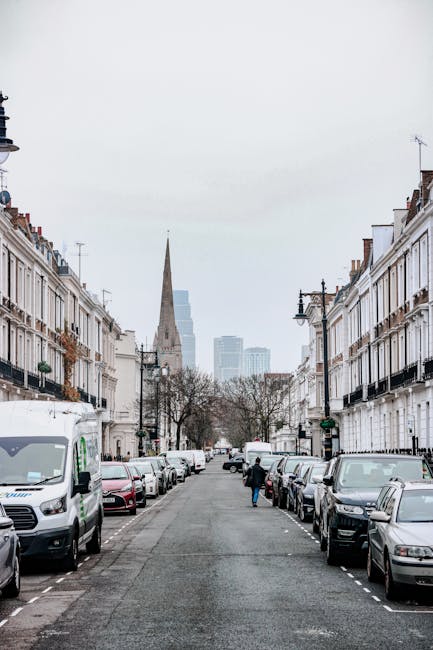
If you have started comparing removal quotes in Fulham, you have probably noticed something odd: two quotes can look almost identical at first glance, yet end up costing very different amounts on moving day. That is usually where the trouble starts. Hidden costs to watch for in Fulham removal quotes are the little extras, exclusions, and assumptions that do not always jump off the page, but can quietly inflate the final bill.
This guide breaks down the charges people often miss, why they appear, and how to spot them before you commit. It is written for anyone moving a flat, house, or office in Fulham, whether you are booking a full-service team or something lighter like a man and van service. Let's face it, moving is stressful enough without surprise fees turning up with the van.
Why Hidden costs to watch for in Fulham removal quotes Matters
In a busy London area like Fulham, moving costs can shift depending on access, parking, timing, building rules, and how much help you actually need on the day. That is why a quote that looks competitive can still be incomplete. One company may include a lot of detail; another may leave out the awkward bits and add them later.
The problem is not just price. It is certainty. When a quote is vague, you do not know what you are really comparing. You might think you are choosing the cheapest option, but in practice you are comparing one all-in figure against another that excludes stair carries, waiting time, packing materials, or extra labour. Not ideal.
Fulham also has the kind of moving conditions that can make small omissions expensive: narrow streets, controlled parking, basement flats, top-floor walk-ups, busy access roads, and buildings with tight lift windows. If your quote does not reflect those realities, the final invoice can jump much higher than expected. This is exactly why readers looking at pricing and quote details should read the wording carefully rather than focus on the headline number alone.
Practical summary: the cheapest removal quote is not always the best value. The safest quote is the one that matches your property, access, inventory, timing, and level of service with the fewest assumptions left hanging.
How Hidden costs to watch for in Fulham removal quotes Works
Most removal quotes are built from a few basic inputs: the volume of items, distance, vehicle size, crew size, and the time needed. That sounds straightforward, but the quote only stays accurate if those inputs are realistic. The hidden costs tend to appear when one or more of those assumptions turns out to be wrong.
For example, a company may quote for a standard loading situation, then add extra labour because the flat is on the fourth floor and the lift is too small for larger furniture. Or they may assume the van can park outside, only to discover that temporary parking is needed or the team must carry items much further than expected. One small mismatch, and the price changes.
Some quotes are fixed, some are estimated, and some sit awkwardly in the middle. You will sometimes see a base price with hourly extras, fuel surcharges, or charges for additional stops. Others bundle more in, but only after you have given a detailed inventory. If you are arranging house removals or flat removals, the biggest difference usually comes down to how honest and specific the survey is.
The key point is simple: removal quotes are only as good as the information behind them. If you understate access issues, forget a piano, or leave out packing services, the quote will look attractive right up until the extras appear.
Key Benefits and Practical Advantages
Taking hidden costs seriously is not just about avoiding a nasty surprise. It gives you more control, and frankly, that control matters when you are coordinating keys, cleaners, landlords, or a chain of other moving-day timings.
- More accurate budgeting: you can plan the full move cost, not just the starting price.
- Better quote comparisons: you compare like with like, which is what you want.
- Fewer disputes: clear expectations reduce arguments over "that was extra".
- Smoother moving day: the team arrives with the right vehicle, tools, and time allowance.
- Less stress: no one enjoys renegotiating while boxes are stacked in the hallway.
There is also a subtle benefit people often miss: better quotes help you choose the right service level. Maybe you do not need a full packing service, but you do need proper dismantling for beds, a bigger van, or short-term storage. Once the hidden costs are visible, the right option becomes clearer.
And to be fair, the best companies do not mind careful customers. A detailed client usually makes the move easier for everyone.
Who This Is For and When It Makes Sense
This is for anyone moving in or out of Fulham who wants fewer surprises and a cleaner decision-making process. That includes first-time renters, families moving house, people relocating from a flat with awkward access, and business owners planning an office move. It also makes sense if you are comparing a wider set of removal companies and want to understand why one price seems too good to be true.
It is especially useful if:
- your building has stairs, no lift, or tight corridors;
- you need temporary parking or permit-aware loading;
- you have fragile, heavy, or bulky items;
- you are moving at peak times, month-end, or on a specific deadline;
- you need packing, unpacking, or dismantling help;
- you are moving an office, where downtime and delays get expensive fast.
Someone moving a student studio and someone relocating a whole office will face different risks, but the principle is the same. Hidden extras creep in wherever the quote was built on guesswork. For students, that might be an extra charge for multiple trips; for businesses, it might be overtime or waiting charges tied to building access. If you are handling a campus move or a small tenancy, student removals can be worth checking early so you can choose the right size and structure of service.
Step-by-Step Guidance
Here is a practical way to review a Fulham removal quote without getting lost in the jargon.
- List everything you are moving. Include wardrobes, mirrors, bikes, garden items, appliances, and anything unusually heavy or delicate. If you leave it out, the quote may not include it.
- Describe access honestly. Mention stairs, narrow hallways, top-floor flats, basement rooms, parking distance, lifts, and any loading restrictions.
- Ask what is included in labour. Does the crew handle loading only, or also dismantling, reassembly, and placement in rooms?
- Check vehicle assumptions. A quote for a small van is not helpful if your items need a larger removal van or even a moving truck.
- Confirm time charging rules. Ask whether the rate is fixed, hourly, or split into call-out plus hourly labour.
- Look for extras in writing. Packing materials, stair carries, long carries, fuel, congestion-related delays, and waiting time should be clearly explained.
- Ask about fragile or specialist items. Pianos, art, and oversized furniture often need separate handling. For example, piano removals are usually priced differently from standard furniture moves.
- Review insurance and liability wording. If something is damaged, do you understand what the cover includes and what evidence is needed?
- Read the terms before paying a deposit. Look at cancellation rules, rescheduling terms, and any minimum charges.
- Compare the totals, not the headline price. The real cost is the full figure after likely extras are added.
When you do this properly, the quote becomes a planning tool rather than a sales pitch. Small difference, big relief.
Expert Tips for Better Results
Below are the things experienced movers tend to check early, because they know where the pennies hide.
- Do a pre-move walkthrough. Even a quick video call or room-by-room list can reduce pricing errors dramatically.
- Flag awkward furniture early. Sofas, beds, wardrobes, and appliances often trigger extra labour if they need dismantling.
- Ask for the quote in writing. A clear written quote is easier to query than a verbal estimate that changes later.
- Match the service to the job. A compact move may suit man with van arrangements; a bigger family move may need fuller removals support.
- Be cautious with very low prices. A rock-bottom quote often leaves no room for access issues or waiting time. That's the classic trap.
- Plan for parking and access. In London, access can be half the job. Not glamorous, but true.
One small but useful habit: ask the mover what would make the price go up. That single question can reveal more than a ten-minute sales call. If the answer is vague, treat that as a signal. Not always a deal-breaker, but worth noticing.
If your move involves business equipment or multiple staff areas, a specialist like office removals or commercial moves may be better than a general domestic arrangement. Offices have their own hidden cost traps: after-hours access, IT handling, and pressure to finish quickly.
Common Mistakes to Avoid
Most expensive moving-day surprises come from a handful of avoidable mistakes. Here are the big ones.
- Only looking at the headline price. The cheapest quote can become the most expensive once extras are added.
- Underestimating volume. "Just a few boxes" somehow becomes half the flat. Happens all the time.
- Forgetting access constraints. Basements, narrow stairwells, and limited parking can change the whole job.
- Not mentioning specialist items. A grand piano is not the same as a coffee table. Obvious, but often missed.
- Assuming packing is included. Many quotes exclude materials or full packing labour unless requested.
- Ignoring the small print. Waiting fees, minimum booking periods, and cancellation charges are common points of confusion.
- Booking too late. Leaving it until the last minute can limit choice and push you into rush pricing.
A tiny example: a couple moving out of a Fulham flat once assumed the crew could park outside for free and load in thirty minutes. In reality, the van had to park around the corner, the lift was booked by another resident, and the whole schedule shifted. No drama, but the final bill was higher because the quote had not reflected the actual access. That sort of thing is more common than people think.
Tools, Resources and Recommendations
You do not need fancy software to avoid hidden costs. A few simple tools and documents are enough.
- Room-by-room inventory: write down what is going, including storage items and awkward furniture.
- Photo or video walkthrough: useful for stairs, parking access, and item size.
- Measurements: doors, hallways, lift sizes, and large furniture dimensions can save a lot of guesswork.
- Moving-day timeline: note key times for keys, handover, building access, and collection windows.
- Written quote comparison sheet: make a simple table of inclusions, exclusions, and likely extras.
If you need more structured support, it can help to look at pages on packing and boxes or packing and unpacking services. These are often the first areas where hidden costs show up, because packing materials and labour are easy to overlook.
For people moving only a few items, a lighter option such as furniture pick up or furniture removals may be better value than a full-house move. The right service can be cheaper than a cheaper-looking service, if that makes sense. It usually does once the extras are counted.
Law, Compliance, Standards, or Best Practice
Removal quotes are not just about price. They also sit inside a wider framework of consumer care, insurance, health and safety, and clear terms. Without turning this into legal jargon, there are a few common-sense standards worth expecting from any professional mover.
First, pricing should be clear enough for you to understand what is and is not included. Second, the company should be able to explain how goods are handled, what insurance arrangements are in place, and what happens if access is not as described. Third, any special conditions should be transparent before you pay.
For domestic and commercial moves alike, it is sensible to check the provider's own policies on insurance and safety, health and safety, and terms and conditions. These pages should help you understand how the company approaches risk, liability, and service boundaries. You are not looking for perfect legal prose. You are looking for clarity.
If payment matters to you, which it probably does, the company's payment and security information can also be useful. A trustworthy mover should be comfortable explaining deposit rules, invoicing, and payment timing in plain English.
And if you ever need to query a service later, it helps when there is a sensible complaints procedure already in place. Not because you expect a problem, but because good businesses are usually organised before anything goes wrong.
Options, Methods, or Comparison Table
Different quote styles suit different moves. Here is a simple comparison to help you choose the right way to book.
| Quote type | Best for | Risk of hidden costs | What to check |
|---|---|---|---|
| Fixed quote | Moves with clear inventories and straightforward access | Low to medium | What exactly is included, and what triggers extra charges |
| Hourly rate | Smaller moves or flexible jobs | Medium to high | Minimum charge, travel time, waiting time, and crew size |
| Estimate | Early-stage planning before the inventory is final | High | Whether it can change significantly and what it is based on |
| Hybrid quote | More complex moves with some fixed items and some variable work | Medium | Which parts are fixed and which parts are provisional |
If you are moving a whole property, a more detailed service such as home moves or house removalists may provide better predictability than a basic rate. For shorter, simpler jobs, a more flexible setup can still work well, as long as the quote is honest about the possible extras.
Case Study or Real-World Example
Picture a typical Fulham move on a damp Tuesday morning. The client has a two-bedroom flat, a narrow stairwell, a sofa that barely clears the banister, and a few boxes stored in a separate room. At first, they choose the lowest quote. It looks tidy, concise, and very reasonable.
Then the questions start. Does the quote include dismantling the bed? Are the packing materials extra? What about the long carry from the van to the front door because parking is a short walk away? Is there an extra charge if the loading takes longer than expected? Suddenly the "cheap" price starts to wobble.
The smarter approach is not to avoid budget options. It is to make them accurate. Once the client sent photos of the stairs, confirmed the access, and listed the bulky furniture, the final quote was still competitive but much more realistic. Less excitement, maybe, but a lot less stress too.
That is the whole point. A good quote should feel a little boring. Predictable. Plain. No surprises hiding in the footer. If a quote seems too neat for the actual job, ask why. That question alone can save money and hassle.
Practical Checklist
Use this quick checklist before you agree to any Fulham removal quote.
- Have I listed every room and item that needs moving?
- Have I mentioned stairs, lifts, parking limits, and long carries?
- Do I know whether packing, dismantling, and reassembly are included?
- Have I asked about fuel, waiting time, overtime, and call-out fees?
- Have I checked whether fragile or heavy items have separate charges?
- Is the quote fixed, estimated, or hourly?
- Do I understand the deposit, cancellation, and rescheduling terms?
- Have I looked at insurance, safety, and payment information?
- Do I know what to do if access on the day is different from what I described?
- Have I compared the final likely cost rather than the headline figure alone?
If you can answer yes to most of those, you are in a much stronger position. Not perfect maybe, but much stronger.
Get a free quote today and see how much you can save.
Conclusion
Hidden costs in Fulham removal quotes usually come from one of three things: incomplete information, vague pricing, or assumptions that do not match the property. Once you know where the risks sit, they become much easier to manage. That is the real value here. Not just cheaper moving, but calmer moving.
Whether you are booking a full house move, a flat move, a specialist item, or a smaller van job, the same rule applies: ask clear questions, get everything in writing, and compare the final cost rather than the glossy opening number. It sounds simple because, honestly, it is. The hard part is remembering to slow down before you sign.
Move carefully, ask the awkward questions, and trust the quote that tells the whole story. That is usually the one that saves you money in the end.
Frequently Asked Questions
What are the most common hidden costs in removal quotes?
The most common extras are packing materials, stair carries, long carries, waiting time, dismantling and reassembly, fuel surcharges, and charges for bulky or fragile items. The details vary, but those are the usual suspects.
Why do Fulham removal quotes vary so much?
Fulham properties often differ a lot in access, parking, floor level, and building layout. Two homes can be the same size but very different to move. One has a lift and direct access; the other has narrow stairs and no parking nearby. That changes the job.
Should I choose the cheapest removal quote?
Not automatically. The cheapest quote can be good value if it is complete and realistic, but it can also hide extra charges. Compare what is included, not just the first number you see.
How can I tell if a quote is too vague?
If it does not say what the quote covers, what access was assumed, whether labour is included, or what counts as an extra, it is too vague. A good quote should be specific enough that you can picture the move from it.
Do I need to mention stairs and lifts when asking for a quote?
Yes. Always. Staircases, lift size, and any loading restrictions can affect labour time and vehicle planning. Leaving them out is one of the fastest ways to get a revised price later.
Are packing materials usually included in removal quotes?
Sometimes, but not always. Boxes, tape, wrapping, and protective materials are often separate unless the quote says otherwise. If you need help with this side of the move, look closely at packing-related services.
What should I ask about parking and access?
Ask whether the quote assumes parking outside the property, whether there is a long carry allowance, and whether parking restrictions could affect the final price. In London, access can be a major cost factor.
Are specialist items like pianos charged differently?
Usually, yes. Specialist items can need extra handling, equipment, or crew. A piano, for example, is not priced like a standard box of books. It is sensible to mention these items from the start.
Is an hourly rate better than a fixed price?
It depends on the job. Hourly rates can work well for small, simple moves, but they can become expensive if access is awkward or the job takes longer than expected. Fixed quotes are often easier to budget for when the move is well defined.
What documents should I check before paying a deposit?
Look at the quote itself, the terms and conditions, payment details, insurance and safety information, and any cancellation or rescheduling rules. That combination usually tells you most of what you need to know.
Can hidden costs be avoided completely?
Not always, but they can be reduced a lot. The trick is to give accurate information, ask specific questions, and make sure the quote reflects the real move rather than a best-case version of it.
What is the best next step if I am unsure about a quote?
Ask for a revised quote based on a fuller inventory and clearer access details. If you still have doubts, compare it with another provider and make sure you are comparing the same service level. A few extra minutes now can save a very long afternoon later.