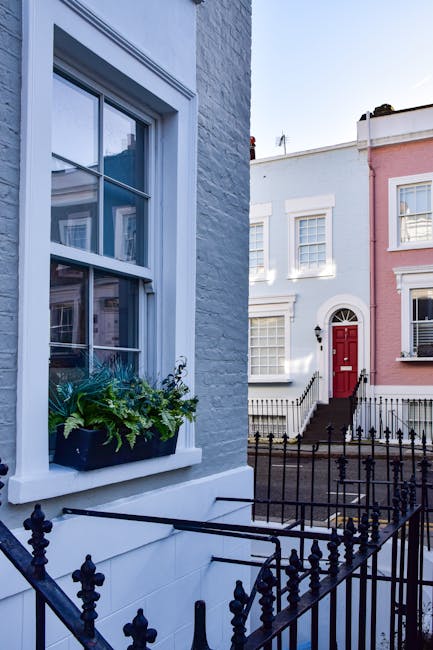
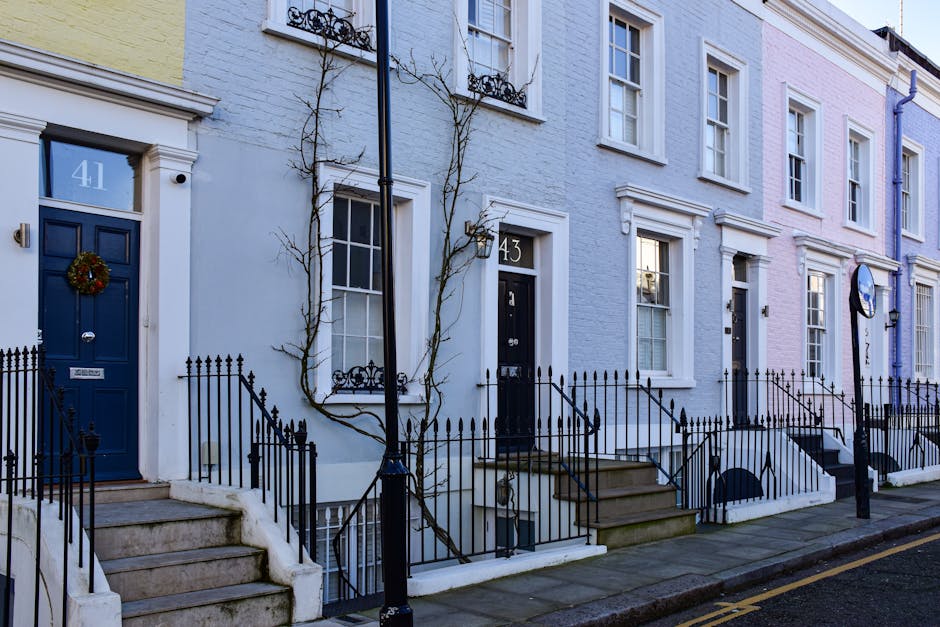
Removals for narrow terraces and restricted access in Fulham
Moving house in Fulham can be straightforward on paper and awkward in real life. Narrow terraces, tight stairwells, shared entrances, basement flats, residents-only parking, and those inconveniently placed front steps can turn a simple move into a puzzle. That is exactly why removals for narrow terraces and restricted access in Fulham need a different approach from a standard point-A-to-point-B job.
If you are dealing with a compact Victorian terrace, a converted flat above a shop, or a property where the van cannot sit neatly outside the front door, the right planning matters. A lot. In this guide, we will walk through how restricted-access moves are handled, what makes them trickier, and how to reduce stress, delays, and damage. You will also find a practical checklist, a comparison of common moving methods, and a realistic example from a typical Fulham move.
Let's face it: the building is not going to widen the hallway for you. So the move has to be smart.
Table of Contents
- Why Removals for narrow terraces and restricted access in Fulham Matters
- How Removals for narrow terraces and restricted access in Fulham Works
- Key Benefits and Practical Advantages
- Who This Is For and When It Makes Sense
- Step-by-Step Guidance
- Expert Tips for Better Results
- Common Mistakes to Avoid
- Tools, Resources and Recommendations
- Law, Compliance, Standards, or Best Practice
- Options, Methods, or Comparison Table
- Case Study or Real-World Example
- Practical Checklist
- Conclusion
- Frequently Asked Questions
Why Removals for narrow terraces and restricted access in Fulham Matters
Fulham has a mix of property types that look beautiful from the street and challenging the moment furniture needs to move. Narrow frontages, short driveways, tight terraced roads, basement levels, and awkward turn-ins are all common headaches. If you are moving from one of the area's older houses or converted flats, access planning is not a luxury; it is part of the job.
Why does it matter so much? Because restricted access changes almost every part of the move: where the van can stop, how items are carried, how many people are needed, how long loading takes, and what can safely be moved without damage. A sofa that would be easy in a suburban driveway can become a full-on logistical problem if it has to be angled through a narrow hallway and down a steep internal staircase. One wrong turn and suddenly a wall scuff becomes a repair bill.
In our experience, the biggest issue is not usually the heavy lifting itself. It is the lack of space to do the lifting properly. Space affects speed, safety, and confidence. When movers have room to work, everything flows. When they do not, every step needs more care, more communication, and sometimes specialised equipment.
There is also the neighbour factor. In terraced streets, one badly parked van can block a lane, make access awkward for everyone, and create tension before the move has even started. A careful plan keeps things civil. And in Fulham, that is worth its weight in bubble wrap.
How Removals for narrow terraces and restricted access in Fulham Works
A restricted-access move is usually built around preparation rather than brute force. The process starts with assessing the route from the property to the vehicle. That sounds simple enough, but small details matter: is there a front step, a tight bend at the top of the stairs, a narrow hallway with a low light fitting, a parking restriction outside, or a long carry to the van? Each one changes the plan.
Most good removal teams begin with questions, sometimes a few more than people expect. That is a good thing. They may ask about the width of internal doors, whether larger furniture can be dismantled, whether there is lift access, and how far the nearest legal parking spot is. For tricky addresses, photos or a quick walk-through can save a lot of grief later.
Here is the basic flow:
- Survey the access before moving day, either from photos, a video call, or a site visit.
- Choose the right vehicle so it can actually reach the property without causing traffic problems or unnecessary walking distances.
- Plan the carrying route from room to vehicle, including stair turns, door frames, and outside obstacles.
- Prepare items for easier handling by dismantling where sensible and protecting fragile or awkward pieces.
- Load in the correct order so heavy items, delicate furniture, and boxes are all secured properly.
- Unload with the same level of care at the destination, especially if that property has similar access limits.
The best restricted-access removals are calm, methodical, and a bit unglamorous, to be fair. No drama. Just clear roles, good packing, and enough time to do the job properly.
What usually makes Fulham moves more difficult?
It is often a combination of small things rather than one huge obstacle. You might have a narrow staircase and a parking issue. Or a basement flat with a long internal carry. Or a terraced house where the front room is easy enough, but the kitchen table will not turn the corner without being dismantled. That is normal. The trick is recognising the challenge early, not on the doorstep with the kettle already unplugged.
Key Benefits and Practical Advantages
Good planning for narrow terraces and restricted access does more than prevent damage. It makes the whole day feel manageable. That matters when you are already dealing with keys, utilities, pets, paperwork, and the general chaos of moving day.
- Less risk of damage: tighter spaces increase the chance of chipped plaster, scratched furniture, and scuffed banisters unless items are protected and handled carefully.
- Faster loading and unloading: a clear plan reduces stop-start movement and avoids wasted effort.
- Safer lifting: more space planning means fewer awkward angles and less strain on movers and belongings.
- Better parking decisions: choosing the right stop point can save time and reduce the chance of fines or delays.
- Lower stress: a move feels much less overwhelming when the access issue has already been thought through.
- More accurate scheduling: realistic timing helps avoid the classic "we thought it would only take two hours" situation. It rarely does, does it?
There is another benefit that people overlook: respect for the building. Terraces in Fulham can be old, charming, and unforgiving. Narrow hallways, decorative mouldings, and tight turns do not forgive careless handling. A thoughtful move protects not only your furniture but the property itself.
Practical takeaway: the more restricted the access, the more valuable planning becomes. In tight Fulham properties, preparation is not extra admin; it is the difference between a smooth move and a stressful one.
Who This Is For and When It Makes Sense
This kind of service is especially useful if you are moving from or into a property with limited external or internal access. It is not only for tiny flats either. A surprisingly spacious house can still be awkward if the stairs are steep, the parking is limited, or the furniture is bulky.
You may need this approach if you are:
- moving from a narrow terrace with limited front access
- living in a basement or lower-ground flat
- dealing with a converted property with tight staircases
- moving into a road where parking is restricted or heavily controlled
- transporting large or awkward furniture pieces
- planning a same-day move with little margin for delay
- combining domestic moving with temporary storage
It also makes sense if you are trying to avoid overbooking a large vehicle that cannot practically stop outside the property. Bigger is not always better. Sometimes a more flexible setup, such as a smaller vehicle and a more nimble crew, is the smarter choice. Truth be told, this is where local experience really helps.
If you are moving a one-bedroom flat near a busy Fulham street, or a family home where the staircase curls sharply at the top, the most useful question is not "How do we move everything?" It is "How do we move it without turning the house into a bottleneck?" That tiny shift in mindset changes everything.
Step-by-Step Guidance
Here is a practical way to organise the move so the access issues are handled before they become problems.
1. Measure and photograph the access route
Take clear photos of doorways, stairs, hallways, front steps, and the outside parking area. If something looks tight, mention it. A quick picture can be more useful than a long description. Add measurements if you can, especially for large items like wardrobes, sofas, bed frames, and appliances.
2. Identify the real bottlenecks
Don't just think about the front door. Ask yourself: where will the sofa turn? Is there room to carry a mattress upright? Will the fridge fit around the landing corner? Is the kerb at the property wide enough for a van to stop safely without blocking traffic? These are the moments where a move either feels smooth or becomes a bit of a circus.
3. Decide what to dismantle
Dismantling furniture can make a huge difference in narrow spaces. Bed frames, tables, modular shelving, and some wardrobes often move better in sections. Keep screws, bolts, and fittings clearly labelled. A small bag taped to the item or packed in one known box can save a lot of rummaging later.
4. Reserve parking and plan timing
In a place like Fulham, parking and timing are closely linked. Even if a vehicle can physically reach the property, it may not be sensible to arrive at the busiest time of day. Early planning can avoid circling the block while everyone watches the clock. That is not a fun feeling, honestly.
5. Protect the property and the furniture
Use blankets, padding, mattress covers, door protection, and floor coverings where appropriate. This is especially important in older terraces where walls and woodwork can mark easily. The aim is to move things, not leave a trail of evidence behind.
6. Load strategically
Heavy and sturdy items go in first, then lighter items, then the fragile pieces that need to stay secure. Good loading is a bit like packing a suitcase for a long trip: if you get the base wrong, everything else shifts.
7. Keep communication simple on the day
One person should usually direct the move at each end. Too many voices can slow things down. Clear instructions work better than half a dozen people saying "No, that bit first" at the same time.
8. Allow for the unexpected
Restricted-access moves often take longer than standard ones because a staircase is tighter than expected, a parking space disappears, or a bulky item refuses to cooperate. Build in time. Small delays are much easier to absorb when the schedule has some breathing room.
Expert Tips for Better Results
After enough moves, you start to see patterns. Some are obvious, some less so. Here are the details that tend to make the biggest difference.
- Use a smaller vehicle if access is tight. A slightly smaller van can save you from blocking the road or carrying items a long way.
- Prioritise the awkward items early. If the large wardrobe is likely to be difficult, deal with it while everyone still has energy and daylight.
- Protect corners before the move starts. Stair turns and wall edges take the most punishment.
- Label boxes by room and priority. In a narrow property, speed is not just about lifting. It is about putting things down in the right place the first time.
- Keep essential items separate. Documents, chargers, medicines, keys, and a kettle if you are sensible. A move feels easier when the essentials are easy to find.
- Don't overfill boxes. Heavy boxes are miserable in tight stairs and make accidental drops far more likely.
A small but useful habit: walk the route once before loading anything. You will notice low lights, narrow radiators, door handles that stick out, and other tiny complications. Those little details are often where the move goes from "fine" to "why is this sofa suddenly sideways?"
And yes, sometimes the answer is simply to take the door off its hinges. Very glamorous, moving work.
Common Mistakes to Avoid
Restricted-access removals go wrong in predictable ways. Luckily, that also means they are quite preventable.
- Assuming access is "probably okay": probably is not good enough when a van, staircase, and fridge are involved.
- Ignoring parking restrictions: this can create delays and a lot of unnecessary carrying.
- Not measuring large furniture: one oversized item can hold up an entire move.
- Leaving dismantling too late: that is how you end up unscrewing a bed frame while the van is waiting.
- Packing fragile items into random boxes: tight spaces mean more jostling, so poor packing becomes more obvious.
- Not telling movers about basement steps or rear access: hidden access problems tend to surface at the worst possible time.
Another mistake is thinking the move should be rushed because the address is "only around the corner". Close distance does not equal easy move. In Fulham, a short route can still involve awkward lanes, controlled parking, and a staircase that seems designed by someone having a laugh.
Tools, Resources and Recommendations
You do not need a warehouse of equipment to make a narrow-terrace move work properly, but the right tools matter. The usual basics are simple, yet effective.
- Furniture blankets: helpful for protecting wood, upholstery, and painted surfaces
- Stretch wrap and straps: useful for keeping drawers, doors, and loose parts secure
- Mattress covers: especially useful in narrow staircases and damp weather
- Trolleys and dollies: not always usable on stairs, but invaluable where level access exists
- Floor protection: reduces marks on hallways, landings, and entrance paths
- Labelled packing materials: makes room-by-room unloading far smoother
For related help, some people also choose services that make the move easier around the edges. For example, packing and unpacking services can save a lot of time if you are short on bandwidth, while storage can be handy when the old and new property timings do not line up neatly.
If you have a very bulky item, such as a piano, it is worth treating it as a separate project rather than assuming it will fit into a standard process. The same goes for larger domestic or business moves where access is the main challenge. A good local team will usually advise based on the property, not just the postcode.
Law, Compliance, Standards, or Best Practice
Moves in London need sensible attention to safety, access, and local conditions. While every move is different, the main best-practice points are fairly consistent.
First, parking and loading should be handled lawfully and respectfully. In restricted streets, that means planning the vehicle position carefully and avoiding unnecessary obstruction. It also means understanding that local road layouts can change the move plan, even if the property itself is simple.
Second, lifting and carrying should follow safe manual handling practice. Heavy items, awkward angles, and stair moves are a recipe for injury if rushed. Good removal teams will use proper lifting techniques, communicate clearly, and break down the job where needed. A little caution goes a long way.
Third, insurance and care matter. For a move with narrow access, you want to know how items are protected and what level of cover or responsibility applies. It is sensible to ask about this before moving day, not after a chipped sideboard has already become a conversation.
If you are comparing providers, it is also worth reviewing policies around safety, complaints, payments, and general terms. Transparent information helps you know what to expect. You can see how a provider handles these matters by checking pages like health and safety guidance, insurance and safety, and pricing and quotes.
Best practice is really about consistency: clear information, careful handling, realistic scheduling, and honest communication when access is tighter than expected. That is not flashy, but it is what keeps a move under control.
Options, Methods, or Comparison Table
Not every restricted-access move needs the same approach. The right method depends on the size of the property, the volume of belongings, and how limited the access actually is. Here is a straightforward comparison.
| Method | Best for | Strengths | Limitations |
|---|---|---|---|
| Small van and compact crew | Narrow terraces, tight parking, short carries | Flexible, easier to position, less likely to block access | May require more trips if volume is large |
| Standard removals vehicle | Moderate access with decent street space | Good balance of space and efficiency | Can struggle in very tight roads or limited parking |
| Man and van service | Smaller moves, student moves, single-room loads | Quick, simple, often cost-effective | Not ideal for large households or highly fragile items unless well planned |
| Full removals service | Family homes, heavier furniture, complex access | More hands, better for awkward items, less strain on the client | Usually requires more coordination and a bigger budget |
| Move with storage | Delayed completion dates or phased moves | Useful when timing is uncertain | Extra handling and additional logistics |
For many Fulham properties, the sweet spot is not the biggest possible vehicle. It is the most suitable one. If the street is tight, a smaller vehicle with a well-planned route can outperform a larger truck every time. Bigger can be better, sure, but not if it means three-point-turning in a residential street while everyone holds their breath.
Case Study or Real-World Example
Picture a typical move from a two-bedroom terrace in Fulham with a narrow entrance hall, a turning staircase, and limited daytime parking. The main furniture includes two beds, a sofa, dining chairs, a washing machine, and several heavy boxes of books. Nothing wildly unusual, just a fairly normal home with less-than-ideal access.
The move works best when it is broken into stages. First, the large furniture is measured and checked against the route. The bed frames are dismantled. The washing machine is disconnected in advance. Fragile items are packed separately and clearly labelled. A smaller vehicle is used so it can stop as close as legally possible without causing a blockage.
On moving day, the team carries the heavier items first while everyone is fresh. One person manages the route at the property, another checks spacing at the van, and the rest keep the flow moving. Because the access was assessed early, the team avoids several common problems: no surprise door-width issue, no wasted back-and-forth trips, and no last-minute panic about the sofa not clearing the stair bend.
The result is not dramatic. And that is the point. The move feels controlled, the property stays protected, and the client gets to breathe properly before the unpacking chaos begins. There is something quietly satisfying about that. You can hear the tape being pulled, the soft thud of a blanket on the landing, and then suddenly it is done.
Practical Checklist
Use this checklist before moving day. It keeps the job grounded and helps spot access problems early.
- Measure large furniture and key doorways
- Photograph stairs, hallways, entrances, and parking space options
- Check whether any items need dismantling
- Confirm if there are basement steps, loft access, or rear entry points
- Identify where the vehicle can legally stop
- Pack fragile items separately and label them clearly
- Set aside tools, screws, keys, and chargers in one safe place
- Protect floors, corners, and bannisters where needed
- Allow extra time for loading and unloading
- Tell the removal team about anything awkward before they arrive
- Keep essentials with you rather than burying them in boxes
- Double-check arrival and contact details the day before
If you can tick most of those off, you are already ahead of the game.
Conclusion
Removals for narrow terraces and restricted access in Fulham are all about preparation, timing, and choosing a method that fits the property rather than forcing the property to fit the move. That is the real lesson. Tight hallways, difficult parking, steep stairs, and awkward furniture do not have to make moving day miserable, but they do demand a more thoughtful approach.
Once you know where the bottlenecks are, the rest becomes manageable: measure properly, pack carefully, plan parking early, and use the right team for the access conditions you actually have. It sounds simple, and in a way it is. The hard part is remembering to do those simple things before the van arrives. Still, that is why good removals planning pays off.
If you are moving within Fulham or into one of its trickier terraces, a bit of calm planning now can save a great deal of strain later. And that peace of mind, honestly, is worth a lot on moving day.
Get a free quote today and see how much you can save.
Frequently Asked Questions
What makes narrow terrace removals in Fulham more difficult than a standard move?
The main challenge is access. Narrow hallways, tight stairs, limited parking, and small turning spaces all slow the move down and increase the risk of damage. It is rarely one big issue; usually it is several smaller ones adding up.
How do movers check whether my furniture will fit through the property?
They will usually ask for measurements, photos, or a video walkthrough. For difficult items, the team may check door widths, stair turns, and landing space so they can decide whether dismantling is needed.
Do I need to dismantle furniture before moving day?
Not always, but in restricted-access homes it often helps. Beds, tables, some wardrobes, and shelving units are often easier to move in pieces. If you are unsure, ask the removal team in advance.
Is a smaller van better for narrow streets in Fulham?
Often, yes. A smaller vehicle can be easier to position close to the property and may reduce the distance items need to be carried. The best choice depends on how much you are moving and what the street layout is like.
How far in advance should I book a restricted-access move?
As early as you can, especially if you are moving at the weekend, at month-end, or during school holidays. Those dates tend to fill up quickly, and a proper planning conversation takes a bit of time.
Will parking restrictions affect my moving day?
Very possibly. In Fulham, parking and loading arrangements can shape the whole move. It is best to plan where the vehicle can stop legally and safely before the team arrives.
Can you move bulky items like sofas or wardrobes through very narrow hallways?
Sometimes yes, sometimes not in one piece. It depends on the furniture design and the exact route. If the item is awkward, dismantling or using a different carrying method may be the safer option.
What should I tell the removals team before they arrive?
Tell them about tight entrances, basement steps, fragile items, parking limits, lift access, and anything that might slow the move. The more honest the description, the smoother the day usually goes.
Are packing services worth it for a restricted-access move?
They can be. If the property is tight and time is limited, professional packing can reduce stress and make loading more efficient. It also helps reduce breakages if fragile items are packed properly.
What happens if the access is worse than expected on the day?
Good teams will adjust the plan, but that may affect timing. Sometimes it means changing the parking position, dismantling more furniture, or carrying items in smaller sections. The earlier the issue is identified, the better.
How do I protect walls and bannisters during a narrow staircase move?
Use furniture blankets, door protection, and floor coverings where appropriate. Careful handling matters too. In tight stairs, it is often the edges and corners that need the most attention.
Is storage useful if my move is delayed or split into stages?
Yes, storage can be very helpful when completion dates do not line up or when access issues mean you need to move in phases. It gives you breathing room and keeps the move from becoming rushed.
If you are comparing moving options or want to understand how a local team handles complex access, you can also explore removal services, house removals, or flat removals for broader guidance.